


Since its inception, Liffner has quietly challenged the noise of the luxury industry, offering instead a collection defined by restraint, integrity, and an unwavering commitment to the hands that craft it.
From a family-owned workshop in Florence to artisan networks in Kenya, every stitch tells a story of transparency and enduring quality. Paulina Liffner von Sydow opens up about the Scandinavian roots that ground her, the personal catalysts that propelled her into entrepreneurship, and her vision for a new kind of luxury; one where ethics and aesthetics are not competing interests, but inseparable companions.
Interview Nicole Gavrilles
Images courtesy of Liffner
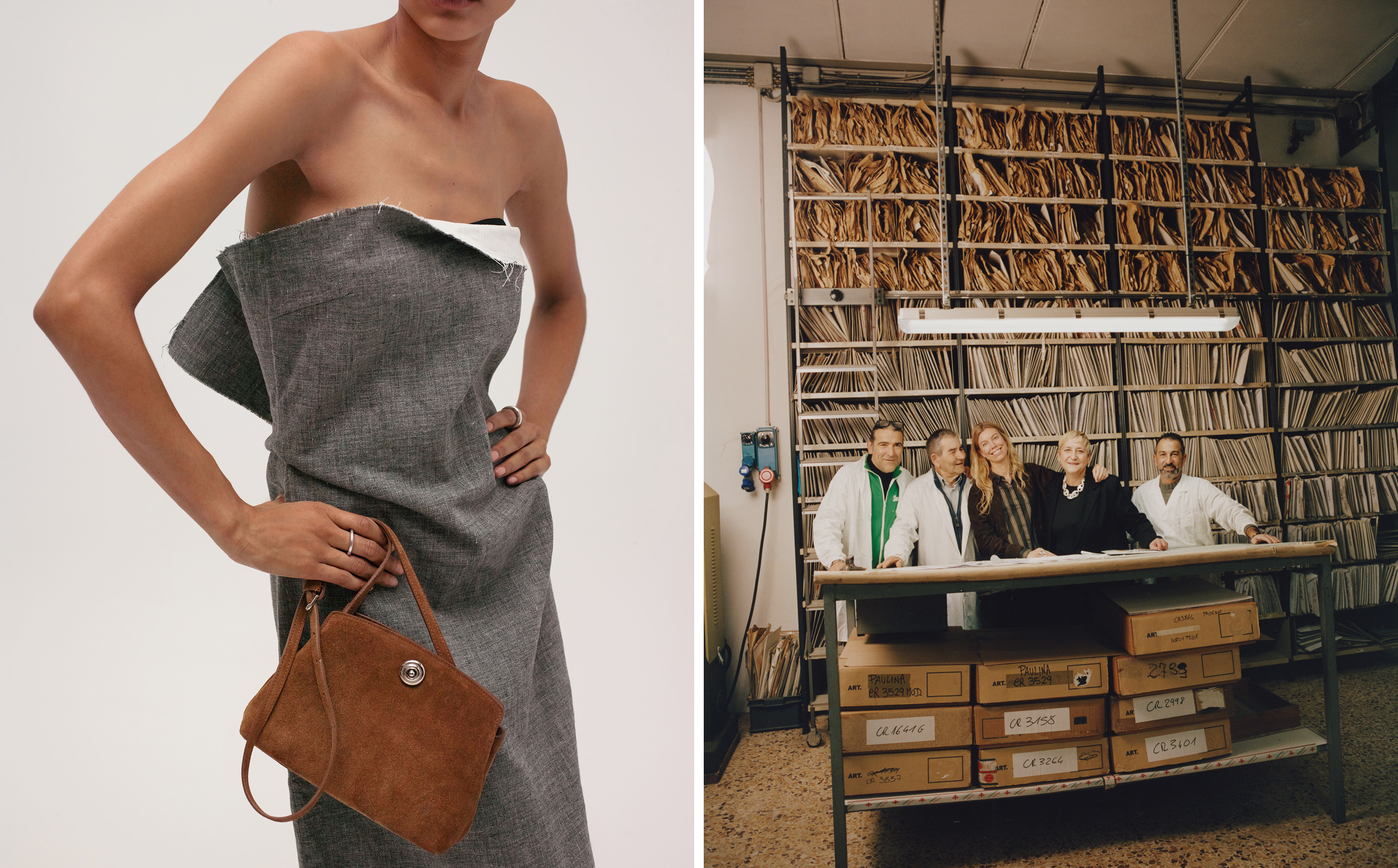
Your background is deeply rooted in Scandinavia, a region known for its distinct approach to design and living. How did your upbringing in that environment shape the quiet confidence and intentional restraint that defines Liffner today?
Scandinavian design has always been about distilling things down to one strong idea. That “less but better” mindset is deeply ingrained in me. Whether I’m designing a bag, building a business, or simply navigating everyday life, my instinct is always to ask: how can this be made simpler?
I value straightforwardness and clarity, and those principles are very much at the core of Liffner. The idea of quiet confidence also resonates with me. My mom embodies that quality. Looking back, I realize that approach shaped not only my personal style but also the brand’s aesthetic. It’s less about being able to buy whatever you want, and more about being creative and making considered choices. It goes for both my personal style and my design work.
Before launching your own label, you navigated the fashion industry in various capacities. Was there a specific moment of clarity when you knew it was time to step out on your own and build something entirely yours?
I always had a vision of doing my own thing. I grew up in an entrepreneurial family, so there was encouragement and support.
My mom suddenly got ill, I got engaged, married, started my business all within the same year. In hindsight, those events were obviously connected. It was a reminder that life moves quickly and there is never a perfect moment to take a leap.
That said, entrepreneurship didn’t come effortlessly to me. I’m naturally hardworking, risk-conscious and, like many “good girls,” I appreciated external validation. Starting Liffner required me to push beyond that mindset. There were certainly a few self-help books and motivational clichés involved. But ultimately, it came down to accepting that growth just doesn’t happen without discomfort and risk taking. Building a business is an amazing vehicle for self-actualization and personal growth. It’s both very challenging and very rewarding.
Liffner is often described as a "new kind of luxury," one that moves away from logos and status toward something more personal and enduring. How do you define luxury in this modern context, and how does that definition influence the way you design each season?
There’s a quote I love: “True luxury is knowing quality, and having the time to enjoy it.”
That resonates deeply with me. Today, luxury feels increasingly personal. It’s less about acquiring more and more about understanding what truly adds value to your life. It’s that knowledge that drives luxury.
At this stage, I know exactly what quality means to me, although with young children and a growing business, finding the time to enjoy it is still a work in progress. But I believe real luxury lies in that process of refinement, identifying what matters and letting go of what doesn’t.
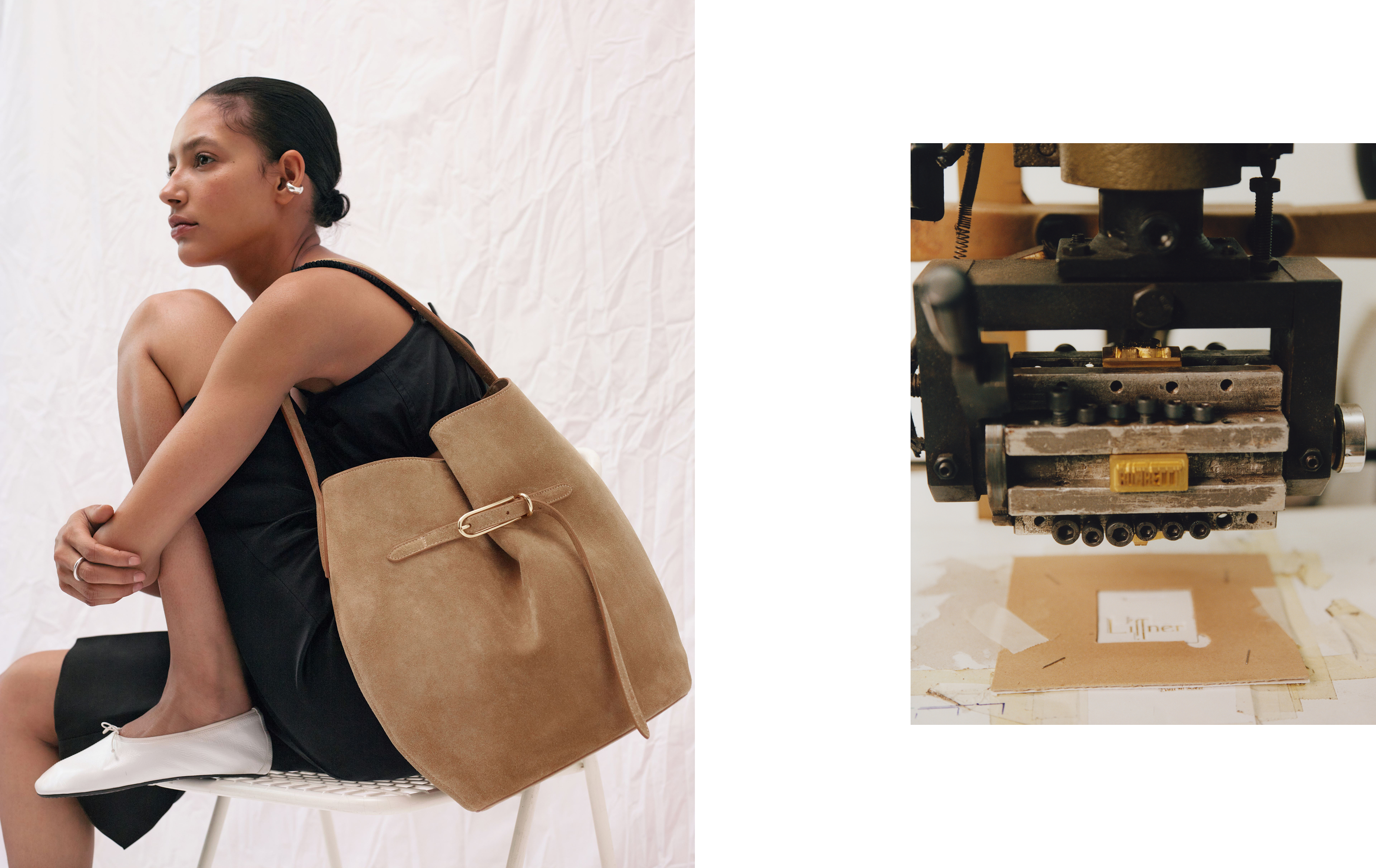
Sustainability for Liffner isn't just a checkbox; it seems woven into the very fabric of the brand's ethos. When you began mapping out the company, which ethical pillars felt non-negotiable to you, and which have evolved as you've grown?
From the beginning, I knew I wanted to produce in Europe, where environmental regulations, craftsmanship traditions and labour standards are strong. That decision established a foundation of responsibility from day one.
Longevity in design has always been another non-negotiable pillar. Creating products that are meant to be used and loved for years is, in my view, one of the most meaningful contributions a brand can make. Quality over quantity has always guided our decisions.
As we’ve grown, we’ve become increasingly focused on the broader environmental footprint of the business, including packaging, logistics and shipping. These are areas where we’re continuously learning and improving. Sustainability is not a static achievement; it’s an ongoing process of asking better questions and making better decisions.
You've maintained a twelve-year relationship with a family-owned factory in Pontassieve, outside Florence. In an industry often characterized by transient partnerships, what has allowed this collaboration to deepen over time, and how does that stability influence the quality of your leather goods?
Relationships are incredibly important to me. One of the privileges of building your own company is being able to choose who you work with and who you spend your time with.
Many of our key collaborators have been with us for years, and trust, mutual respect and shared standards develop over time, and that continuity translates directly into the product. The people making our bags understand the brand deeply and care about the outcome as much as we do.
This year we’ve also added two additional Italian manufacturing partners to support growth. It’s an exciting step that brings new expertise while allowing us to remain committed to the same standards of craftsmanship and quality.
“
Today, luxury feels increasingly personal. It's less about acquiring more and more about understanding what truly adds value to your life.
”
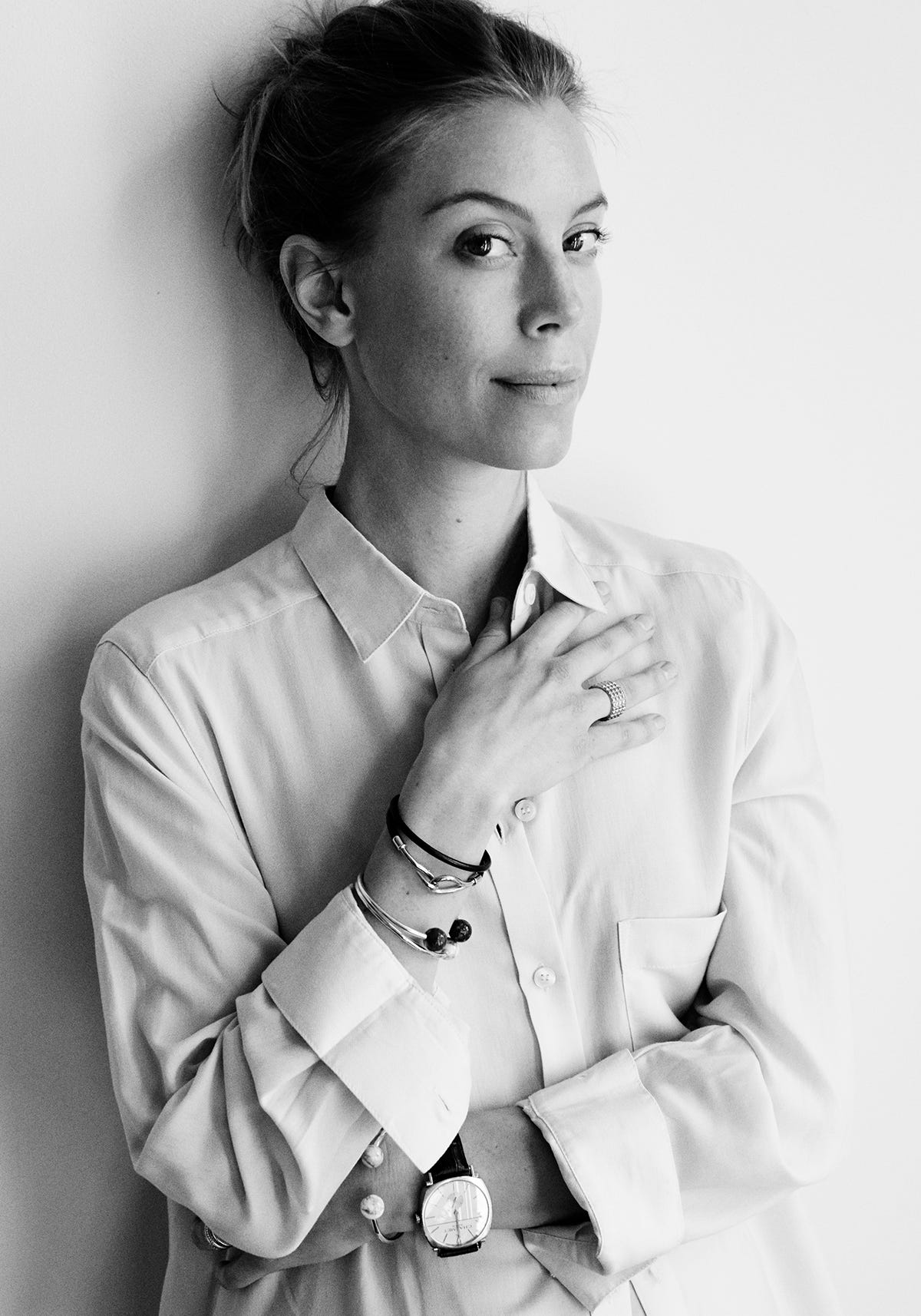
Transparency is a rare gift in fashion. You've mentioned having full visibility into your second and third-tier suppliers. Why was it important for you to look that far down the chain, and what has that visibility taught you about the true cost of production?
I’m often surprised by how little some big brands seem to know -or want to know, about their own supply chains. Transparency doesn’t happen automatically. You have to keep asking questions even when the answers aren’t immediately available.
Understanding where materials come from and how they’re produced allows you to make better decisions, but it also gives you a much deeper appreciation for the complexity behind every product.
At the same time, I think we are seeing some consumer fatigue around sustainability in recent years. Economic uncertainty often shifts attention elsewhere. I find that disappointing because the environmental and social challenges facing our industry haven’t disappeared. If consumers stop asking questions, many businesses will stop prioritizing the answers.
Can you walk us through the feeling of holding a new material for the first time and knowing it aligns with both your aesthetic and your ethical standards?
One of the most encouraging developments I’ve witnessed over the past twelve years is how much progress the leather industry has made in terms of transparency and traceability.
When I started Liffner, it could be surprisingly difficult to obtain detailed information about where hides originated or how specific leathers were processed. Today, many of those conversations are standard practice, which is a significant step forward.
When evaluating a new material, aesthetics and responsibility have to work together. It needs to feel beautiful, perform well over time and come with a level of transparency that aligns with our values. When those elements come together, there's a real sense of confidence in moving forward.
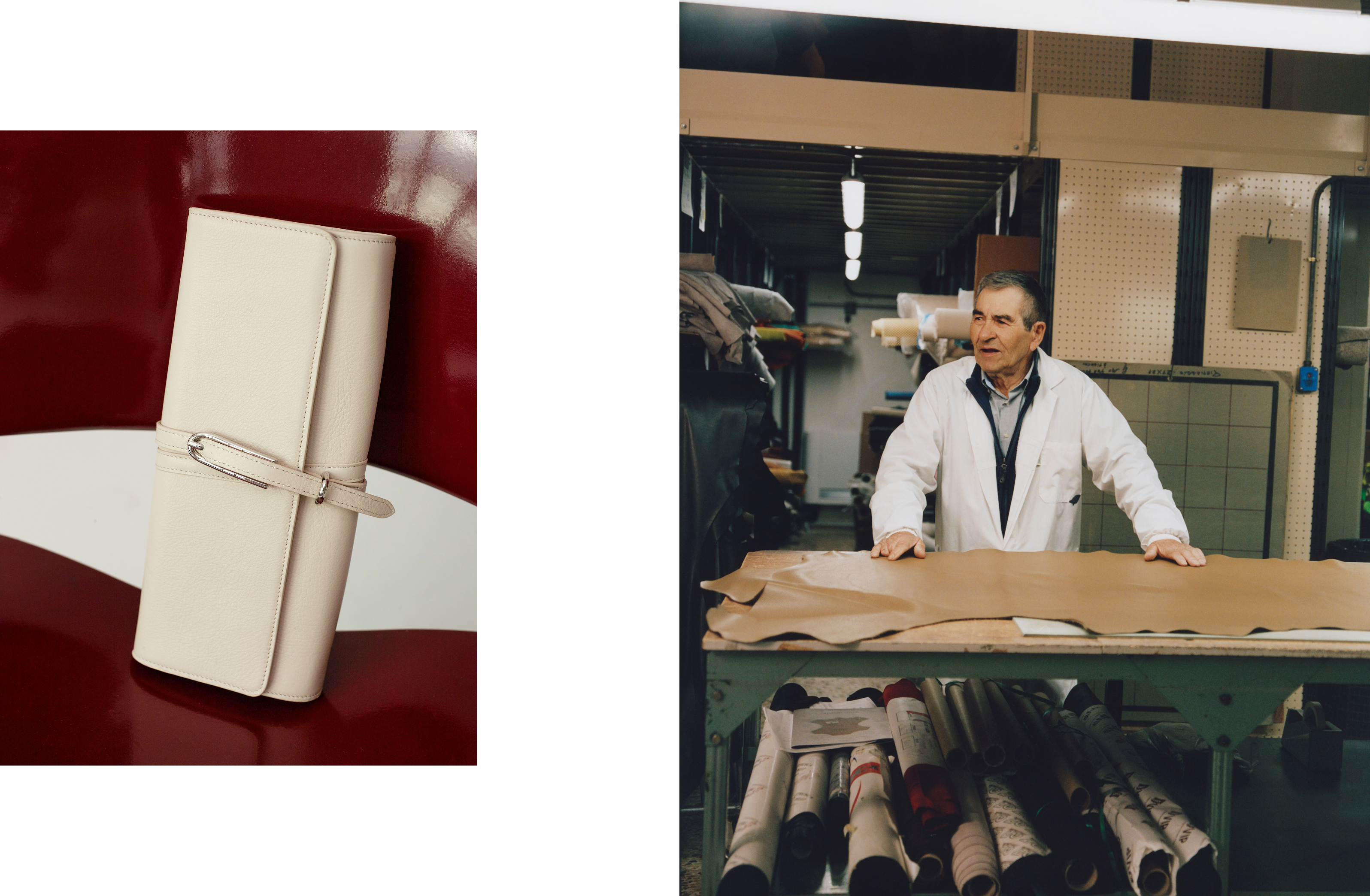
Your woven leather baskets are crafted in India by a factory audited under SA8000, while your sisal baskets come from the Ethical Fashion Initiative in Kenya. How do you navigate the cultural and logistical nuances of maintaining such distinct, values-driven relationships across different continents?
Working across different cultures is always a learning process, and that's something I genuinely enjoy. Every partnership teaches you something new about craftsmanship, communication and ways of working. One advantage of remaining relatively small is that we're able to choose partners whose values align closely with our own. Whether we're working with artisans in Kenya or manufacturers in India, we look for a shared commitment to quality, integrity and long-term collaboration.
Design often requires making hard choices between what is possible and what is right. Have you ever had to abandon a design idea or a material because it didn't meet your sustainability criteria, and what did that sacrifice teach you about the brand's direction?
Some of the most nuanced decisions we make involve leather itself. In theory, the least processed leather is often the most natural expression of the material. It develops character, patina and individuality over time. However, consumer expectations don’t always align with that reality. Many customers today expect products to look almost unchanged after years of use, which often requires more finishing and processing.
The challenge is balancing authenticity, longevity and customer satisfaction. A leather that ages beautifully but isn’t appreciated may ultimately be less sustainable than one that retains its appearance and is used regularly for many years. These decisions have taught us that sustainability is rarely black and white; it’s often about finding the most responsible balance between craftsmanship, durability and real-world use.
“
Sustainability is not a static achievement; it's an ongoing process of asking better questions and making better decisions.
”
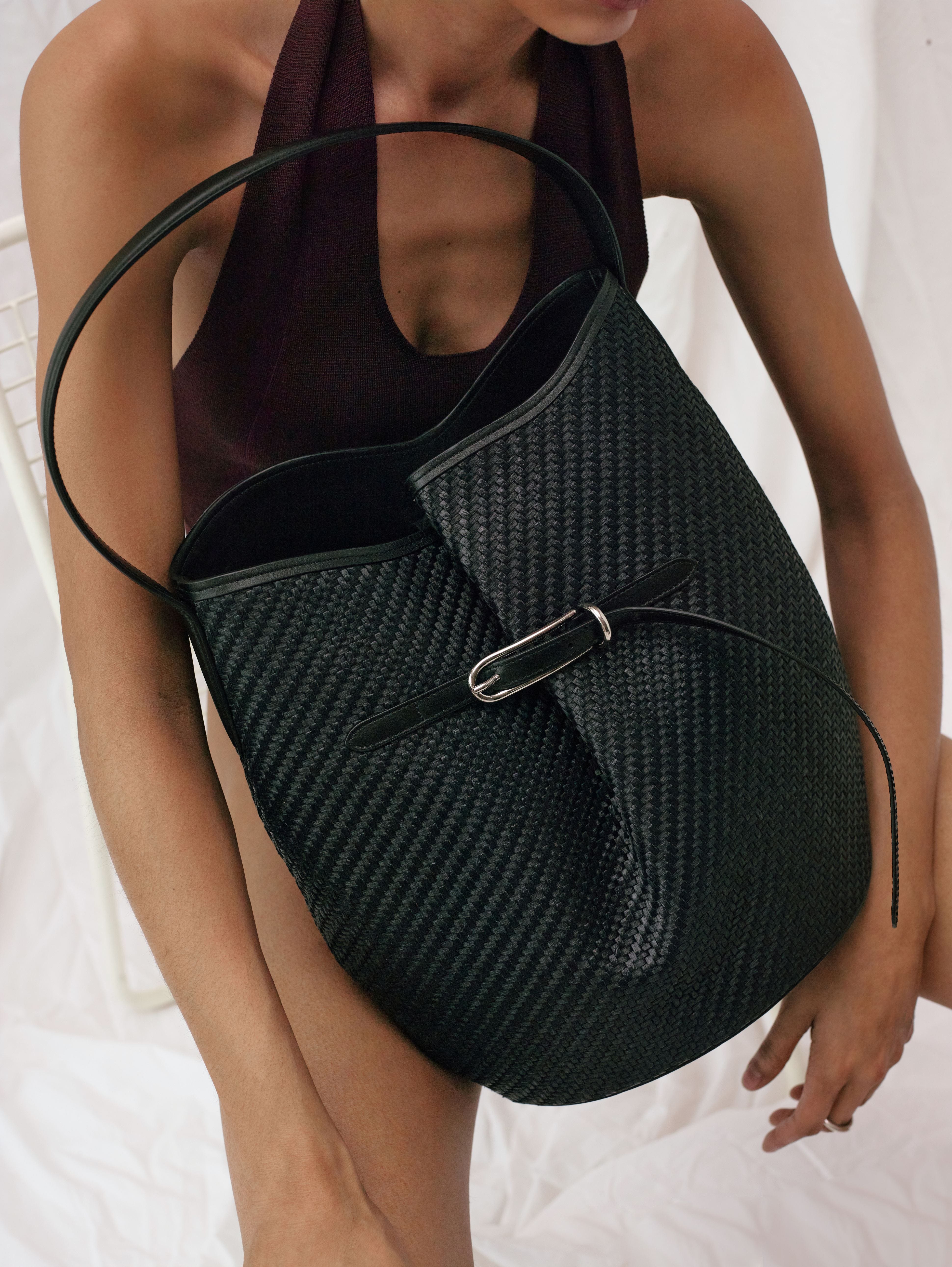
As Liffner evolves, you're balancing growth with the intimate, boutique feel that attracted your early community. How do you protect that sense of closeness and intentionality as more people discover the brand?
For me, it starts with staying true to an aesthetic and only creating products that genuinely excite me. Growth inevitably brings more opinions and noise, but it’s important not to let that cloud the vision.
At the same time, I don’t believe intimacy is exclusive to small brands. Some of the world’s most successful companies create a strong emotional connection with their customers. Ultimately, it’s about consistency and how the product makes people feel.
I started Liffner to create handbags that have the ability to make women feel chic and confident, while also feeling like a smart shopper getting true value. As the business grows, we want to continue to deliver those exact same feelings, just at a larger scale.
The fashion landscape is shifting rapidly, with consumers increasingly demanding accountability. Where do you see the conversation around ethical luxury heading in the next five years, and how is Liffner preparing to lead rather than follow?
I’m not entirely convinced that consumers are demanding more accountability today than they were a few years ago. In fact, in some markets we’ve seen sustainability move down the priority list as economic pressures increase. What I hope to see over the next five years is a renewed engagement with the topic.
We’re realistic about our role. We don’t position ourselves as a pioneering sustainability company, nor do we have the resources of the industry’s large players. What we can do is approach every product with integrity: sourcing responsibly, producing thoughtfully, focusing on quality and longevity, and offering exceptional craftsmanship at a price point that remains accessible to real women.
Looking ahead, what is the next chapter for Liffner? Is there a dream project, a new material, or an untold story you're quietly working toward bringing to life?
I’ve been contemplating shoes for a while. It’s a category I’m deeply passionate about, which is precisely why I’ve been cautious about entering it.
We’re still in the very early stages of exploring and the challenge is finding the same sweet spot we strive to hit with our bags: strong design, responsible production, exceptional quality and a price point that feels fair. If we find that spot, it would be a dream!
Liffner is a Scandinavian leather goods brand grounded in expressive minimalism, time-honored Italian craftsmanship and the quiet strength of purposeful design.
Founded in Stockholm in 2012 by Paulina Liffner von Sydow, thy design versatile leather goods meant to accompany you through seasons and years. All Liffner handbags are handcrafted in small batches at a family-run atelier outside Florence, where generations of artisans continue to work with unmatched care and precision.
For more information about Liffner, visit their website.
Follow on instagram @littleliffner
–
Interview published for ONE Magazine Online